
 Català
 Español
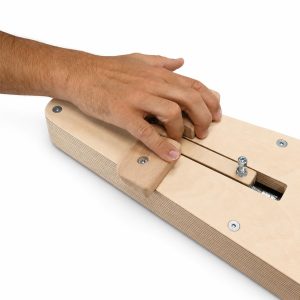
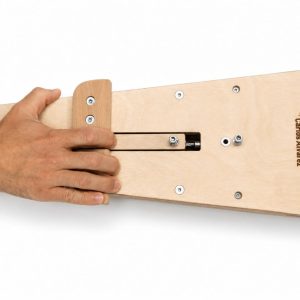

What is the RPF?
Discover your Vital Role in Finger Rehabilitation
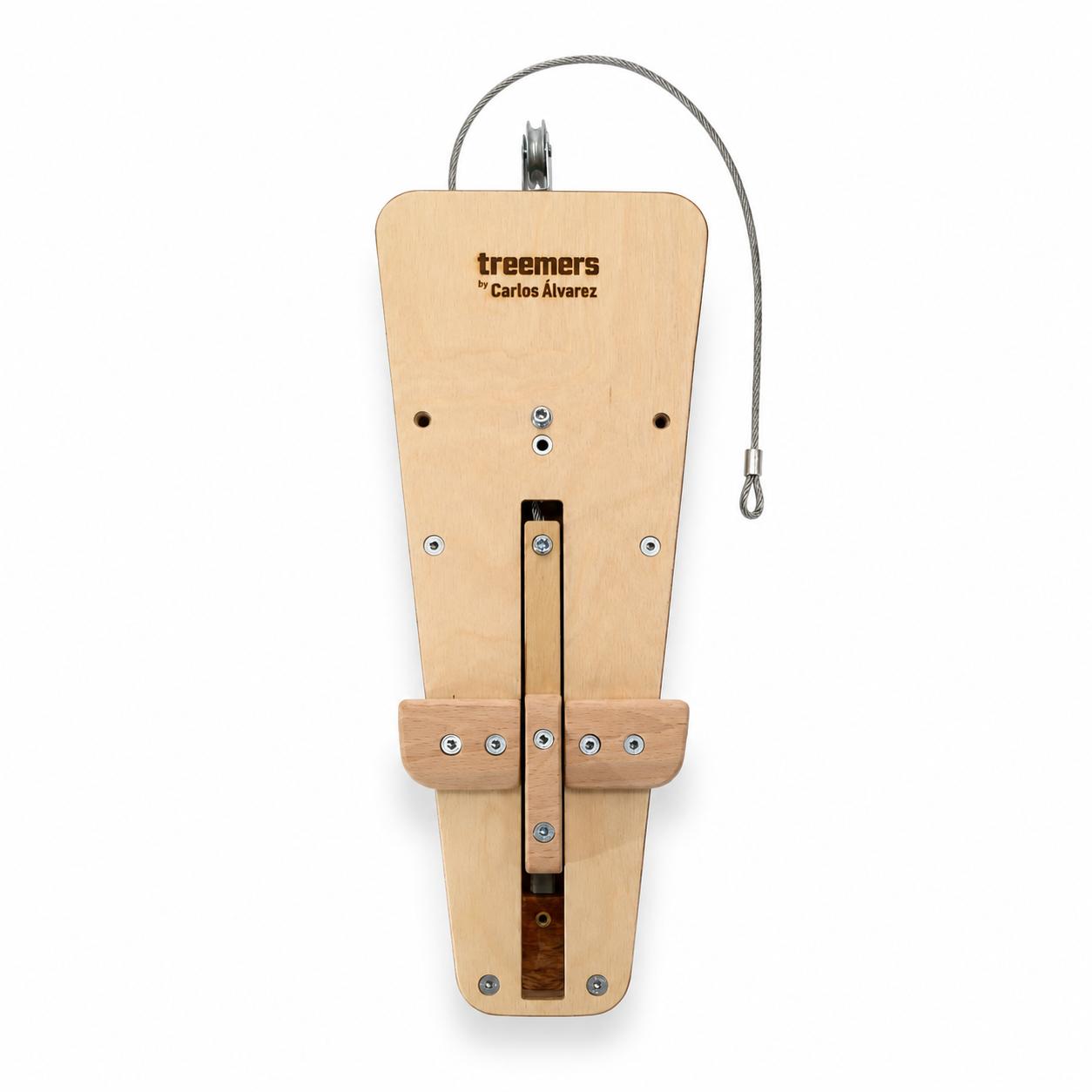
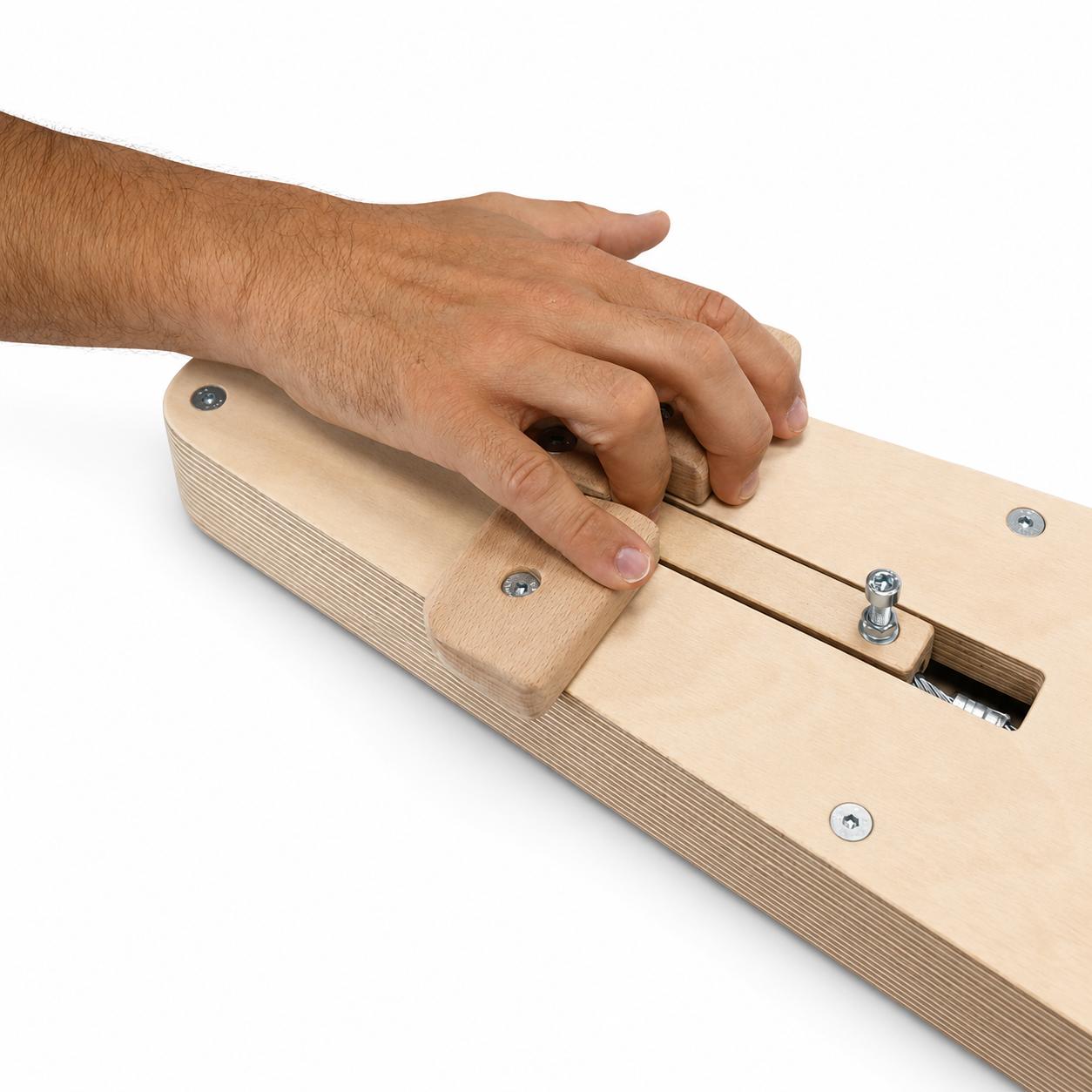
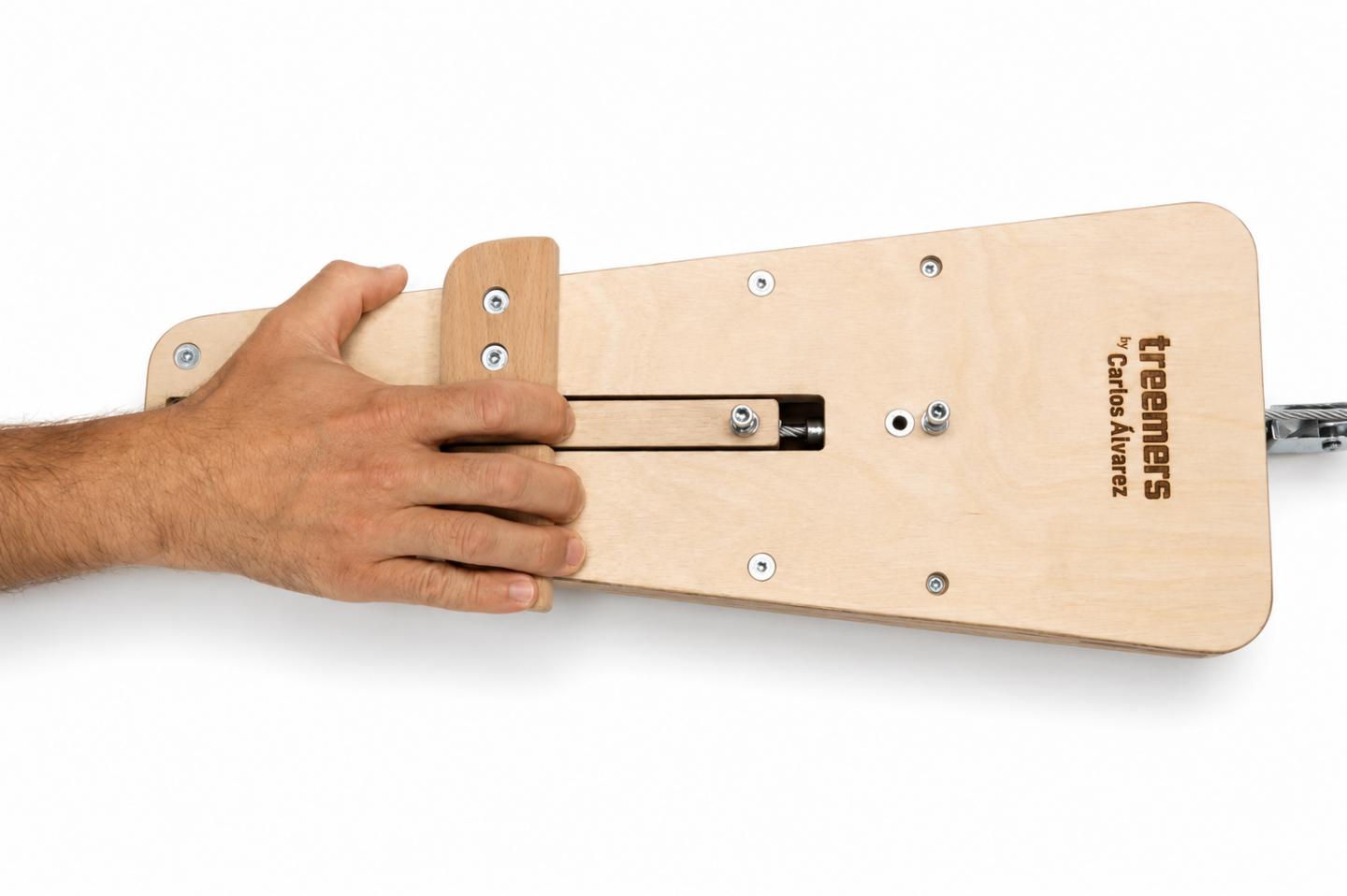
The FPR, or “finger pathology readapter” is a patented device of fundamental importance in the rehabilitation process of finger injuries. Its main function is to allow the precise control of the force exerted by a single finger during a specific grip on a 15 mm rail.
Why is FPR Essential in Rehabilitation?
The FPR plays a crucial role in the recovery of digital injuries by providing the ability to calibrate the tension applied to a finger during grip. This feature is particularly valuable in rehabilitation, as it allows one to start with tolerable loads that do not aggravate the existing injury. The ultimate goal is to achieve full recovery of strength in the affected finger. Without precise knowledge of the load exerted on the tissues involved, proper rehabilitation would not be possible. In this sense, FPR becomes an indispensable tool.
Other uses:
The use of the FPR does not have to be exclusively to readapt a finger after injury, it can also be used to evaluate decompensations of strength between the different fingers and/or to train the grip strength specifically of each finger with controlled loads. In addition, the FPR also has the ability to integrate a force sensor and to measure loads digitally.
Are you ready to boost your rehabilitation and readaptation after a finger injury? Find out how RPF can be your ally in this process!
Be the first to review “FPR or “finger pathology readapter”.”
You must be logged in to post a review.
Related products

Micros

Hangboard

Hangboard
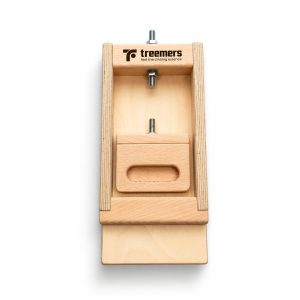
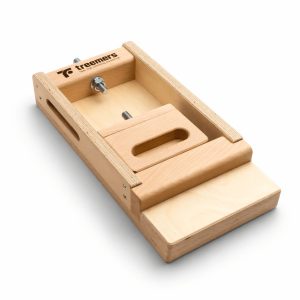
Hangboard
Hangboard

Hangboard

Training

Training
Reviews
There are no reviews yet.